Effective Energy Efficiency to Boost Home Value
Transform Your Home: Vital Details On Residential Improvement Projects for All Property Owners
Many householders want to find ways to improve their homes via professional remodeling. Such undertakings may vary from small kitchen fixes to complete home renovations. Knowing the choices accessible is crucial for making sound choices. Moreover, one must consider real-world factors such as setting a budget and choosing the right builder. When property owners embark on this process, they could face unforeseen difficulties. Achieving a successful makeover depends on careful planning and execution. What are the next necessary steps?
Knowing the Various Categories of Residential Renovation Work

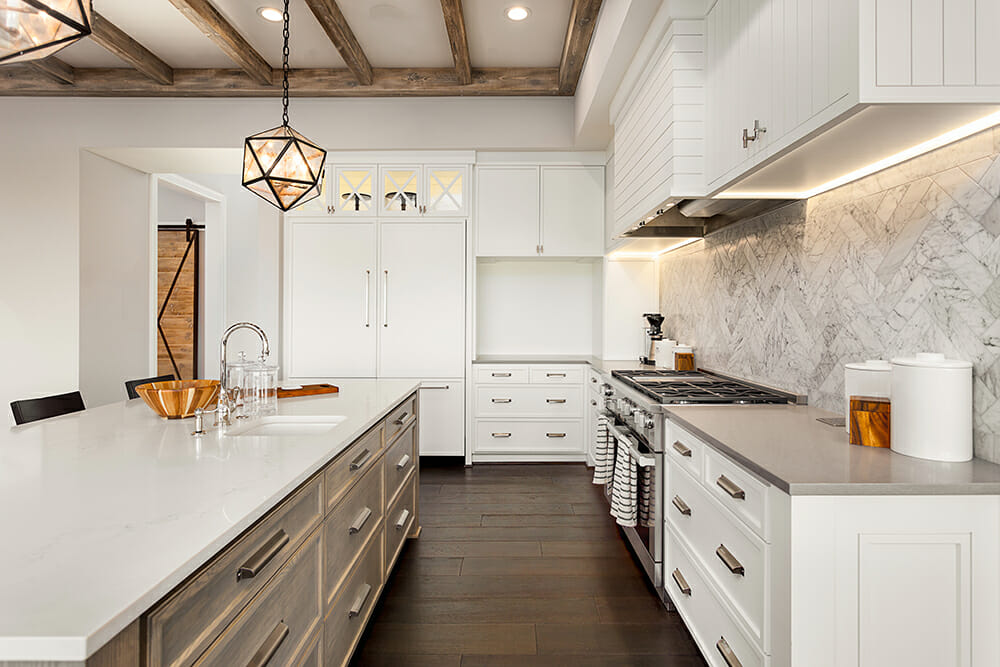
As householders look to improve their living spaces, they often encounter many different types of services suited to various requirements and preferences. These projects are generally grouped into several types, all dealing with certain elements of house upgrades. Kitchen remodeling focuses on updating appliances, the cabinets, and floor plans to enhance functionality and aesthetics. Bathroom remodeling typically involves improving the fittings, the ceramic work, and storage solutions for improved comfort and design.
Whole-home remodeling encompasses extensive modifications to the entire house, frequently involving changing the structure to maximize the area and movement. Outdoor renovation projects, in contrast, concentrate on enhancing the home's outward appearance, dealing with the cladding, roofing, and the garden design. Moreover, niche projects including converting the cellar and upgrading the attic help residents make the most of neglected parts of the home. All these service types offers unique benefits, enabling homeowners to choose options that match their goals for their residence. Understanding these distinctions is essential when making informed decisions during the renovation process.
Setting a Realistic Budget for Your Home Improvement Work
How do property owners make certain their renovation work stays within budget? Establishing a realistic budget is essential. Property owners must start by evaluating their financial capacity, like savings and available loan choices. This initial step will help determine how much can be allocated for the renovation while maintaining other fiscal obligations.
Afterward, those undertaking the remodel should investigate the expenses linked to their planned updates, including materials, labor, and surprise expenses that tend to crop up. Creating a detailed list of priorities will assist in identifying must-haves versus nice-to-haves, allowing for adjustments if the budget tightens.
It is smart to incorporate a reserve fund, usually about 10-20% of the overall cost, to account for surprise expenditures. Regularly reviewing and adjusting the budget throughout the remodeling process can also help maintain financial control. Finally, a thoroughly prepared budget not only guarantees project viability and makes the whole updating experience better for homeowners.
Choosing the Right Contractor for Your Requirements.
Finding a suitable builder has a major influence on the success of a remodeling project. Property owners ought to start by doing comprehensive research, seeking recommendations from friends, family, or online reviews. It’s vital to verify credentials, such as licenses, insurance, and surety bonds, to confirm legitimacy.
Once potential contractors are identified, property owners must ask for comprehensive quotes and schedules, allowing for informed comparisons. Discussions reveal their approach to dialogue and their level of expertise, which are essential for a collaborative process.
Additionally, reviewing past projects through portfolios or references shows the builder's standard of work. Property owners must also ask about guarantees or assurances, indicating the builder's certainty about their services.
Finally, picking a builder whose approach fits the property owner's ideas, cost plan, and timeframe leads to a more favorable updating process, guaranteeing that the project meets expectations and successfully updates the home's interior.
Planning and Designing Your Ideal Space.
When property owners picture their perfect areas, meticulous organization and deliberate design become essential components of a successful remodeling project. The first step involves evaluating current needs and future aspirations, allowing for a thorough understanding of how the space will be used. Owners must take into account practicality, visual appeal, and their individual taste, to guarantee the design showcases their unique preferences.
Subsequently, developing a comprehensive budget is essential. This budget should accommodate materials, workforce costs, and possible unexpected costs. Consulting with design experts can provide valuable insights, assisting in improving the layout and respecting budgetary constraints.
Including features such as ample daylight, spacious designs, and eco-friendly supplies can enhance the overall experience. In conclusion, seeing the project via mock-ups or 3D visualizations can assist in finalizing plans prior to construction. By thoughtfully tackling the design and planning stage, homeowners can create an inviting, efficient space customized for their needs.
Understanding Regulations and Permits in Residential Projects
Understanding the complexities of permits and regulations can be daunting for homeowners embarking on a renovation. Every city or county maintains distinct regulations that govern what can be done during renovations, typically guided by zoning laws, construction standards, and safety standards. Homeowners must familiarize themselves with local regulations to avoid costly fines or construction hold-ups.
In most cases, getting permits is mandatory for significant alterations, such as structural changes or electrical work. This process usually necessitates providing designs for examination and may require inspections at different phases.
Working with a skilled professional can make this procedure easier, as they are typically experts in municipal rules and can assist with paperwork. It is important for homeowners to communicate regularly with the municipal planning office to guarantee compliance throughout the project. By understanding and maneuvering through these requirements, homeowners can meet their renovation objectives and maintaining compliance with the law in their renovations.
FAQs
What is the Duration of a Standard Home Renovation?
The average remodeling job typically spans between three to six months, depending on the scope of work, size of the home, and supply chain status. More involved renovations might need extra time for completion.
What are common mistakes to avoid while undertaking a remodel?
Typical pitfalls during remodeling include failing to budget properly, not securing the required permissions, overlooking timelines, failing to communicate effectively with your builders, and ignoring long-term functionality. Understanding these dangers often results in a more efficient, more successful renovation project.
What's the best way to select the right materials for my renovation?
Picking the best materials requires assessing durability, the look and feel, and budget. Investigating available choices, consulting professionals, and thinking about upkeep are vital steps in making informed decisions, to guarantee the project fits your needs and preferences.
Can I live in my home throughout the construction phase?
Yes, one can live in their home during renovations, but it could be uncomfortable. Detailed organization, maintaining open dialogue with your builders, and setting aside certain zones for essential activities can lessen the stress throughout the project.
What kind of coverage should be provided by my builders?
You should anticipate receiving warranties covering workmanship, materials, and structural components, which usually last between one to ten discover the facts years. You must carefully check specific terms and conditions alongside your builders to know the full extent of the guarantee and its restrictions.